

A Room of One’s Own
The Difference Support Can Make in Our Lives and Deaths
Imagine Two Rooms.
Close your eyes.
In room number one, someone you love, perhaps a parent, spouse, dear friend, or partner, is nearing their end of life. The lights are dimmed. Their bed faces a slightly opened window overlooking a garden. Their chosen music plays softly in the background, perhaps classical or maybe soft rock. Framed photos and mementos from their life are positioned throughout the room.
Loved ones are gathered around the bed not because they feel obligated to be there, but because they know how important this moment is. In the weeks and days leading to this moment, they have discussed who they wanted to be there, and who they did not. Practical matters were addressed; decisions about medical care, legacy wishes, and funeral arrangements documented. But even more importantly, conversations about fears, hopes, regrets, forgiveness, meaning, love, and remembrance.
The atmosphere is tender, sacred, and deeply human. Nothing important has been left unsaid. A partner gently holds the dying person's hand and whispers, "I love you." An adult child sits beside the dying parent and shares a funny memory of a Thanksgiving meal. A teenage grandkid reads a poem she has prepared for this moment.
They have been prepared for what is coming so they are not afraid of it. This knowledge has given them the capacity to be fully present in arriving at this moment. The dying person has had the opportunity to express their wishes and have them honored. Their voice remains at the center of their care. While there is sadness, there is also peace.
Now, imagine room number two. A hospital room. Someone is dying here, too. The family and friends love them deeply, but nobody knows what to do. They are fretting. There have been few conversations about death because everyone hoped there would be more time. Medical decisions remain unclear. Important paperwork has not been completed. Family members are unsure who should make decisions or what their loved one would have wanted.
Fear fills the room, it is palpable. They are in a hospital room because nobody could decide whether it was time to call hospice, neither them nor the medical team. And now it feels too late. The family is left navigating one of life's most profound experiences without a map. There is no one to provide guidance on what to expect, what can be done to alleviate some of the difficulties, and provide support to the dying person who may be feeling isolated, frightened, or unable to communicate their wishes.
Some of the people are avoiding looking directly at the person who is dying because this reality feels too much, so they look at their phones. Others stand silently against the walls, unsure whether they should speak, touch, cry, or simply leave. Nobody is touching the dying person. The irregular breathing sounds frighten them. When they hear the quite common "death rattle," phlegm accumulation in the throat, they believe their loved one is choking. Their questions go unanswered: "Is this normal?" "Are they in pain?" "Can they still hear us?" "What happens next?"
The room feels chaotic, not because there is a lack of love, but because there is a lack of preparation and support.
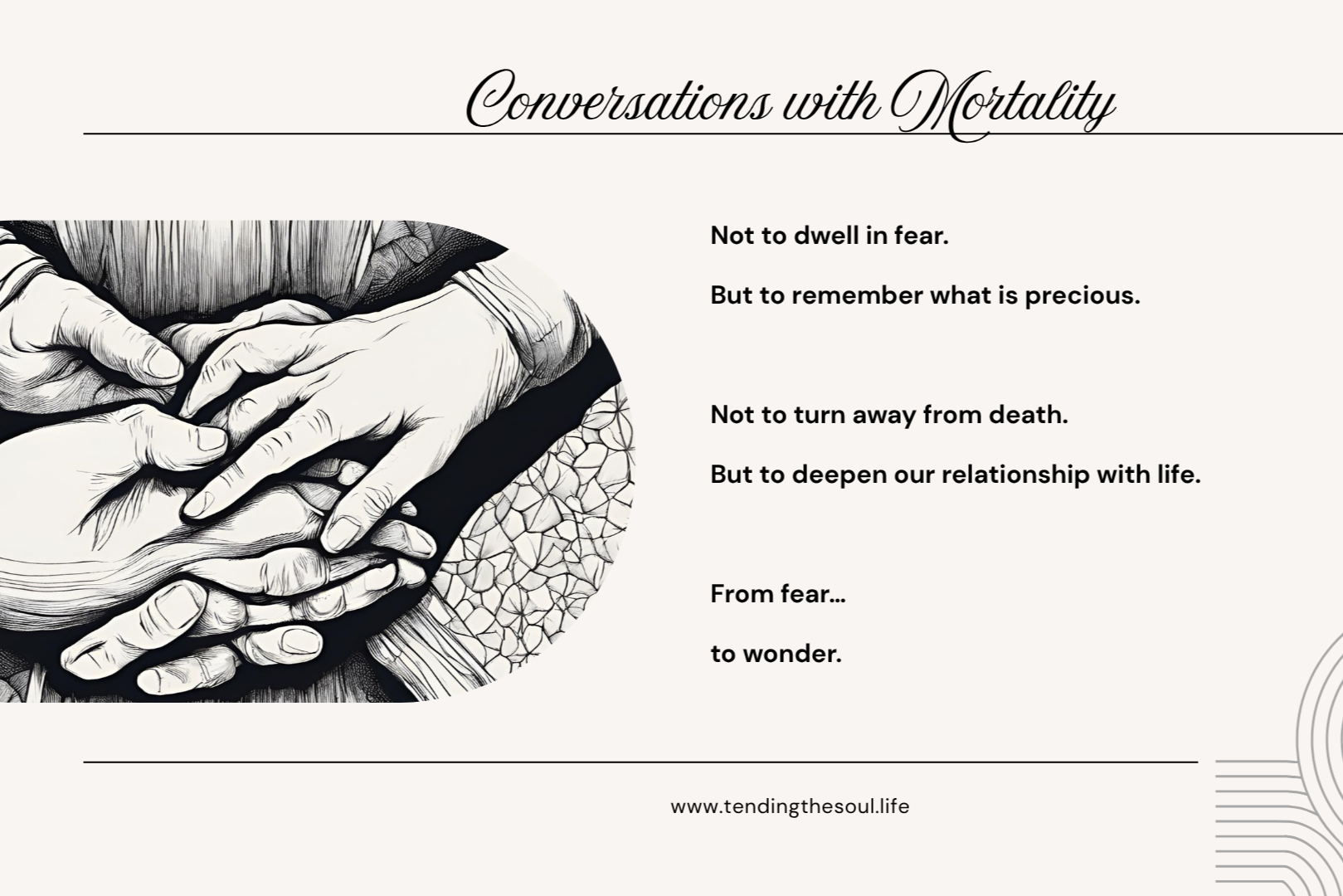
What Makes the Difference?
Often, the difference is not the diagnosis, the timing, or even the circumstances of the death.
The difference is support.
Most people today understand what a birth doula is and why one might be needed. An end-of-life or death doula serves a similar role. While we spend months preparing for birth, many of us spend little time preparing for death.
An end-of-life doula helps individuals and families prepare for death, providing education, guidance, advocacy, and compassionate presence. They help people understand what to expect, explore their wishes, complete advance care planning, facilitate meaningful conversations, create legacy projects, and support loved ones before, during, and after death.
Most importantly, a death doula helps ensure that the person who is dying remains at the center of the process.
What a Good Death Looks Like
A good death is not defined by the absence of grief. It is defined by the presence of dignity, choice, connection, and support.
Death will always be difficult. But it does not have to be chaotic. With preparation, support, and honest conversations, the end of life can become not only a time of loss, but also a time of profound connection, meaning, and love.
That is the space an end-of-life doula seeks to hold.